Need pest control in Aberdeen?
Tell us what you are seeing at home. Request an estimate and a local provider in our network can follow up with questions and a written quote.
No obligationAberdeen pest control & wildlife removal referrals
Request an estimate today
Wondering if that line of ants or those tiny droppings is a big deal? Often it is a small sign of a problem you can stop early. Residential pest control means a local provider inspects your home, finds the source, and treats it so the pests do not keep coming back.
Regulationmothers Pest Control is a referral service. We do not do the treatment ourselves. You send a request, and we connect you with an independent provider in our network who serves the Aberdeen area. The provider inspects, explains the plan, and gives you a written quote. You decide if it fits. This page walks through early warning signs, common pests, safety, plans, and what drives the price.
Maybe you spotted a few ants by the sink. Maybe something scratched in the wall last night. Good news: you noticed. That is the hardest part. Catch it early, and a small issue often stays small.
Regulationmothers Pest Control is a referral service. The work is done by independent providers in our network, not by us. Ask, then act.
Pests leave clues long before you see a crowd. Keep an eye out for these:
Found one? Snap a photo and write down the date. Providers find that very useful.
Think of a pest like a dripping faucet. A drip is cheap to fix. A flooded floor is not. Termites can quietly weaken wood. Roaches and ants multiply fast once they find food and water.
In areas with humid summers, insects wake up early and spread quickly. When winter freezes set in, pests slip indoors through foundation gaps, especially in colonial and split-level homes with basements. In older rowhouses that share walls, a problem next door can travel to you.
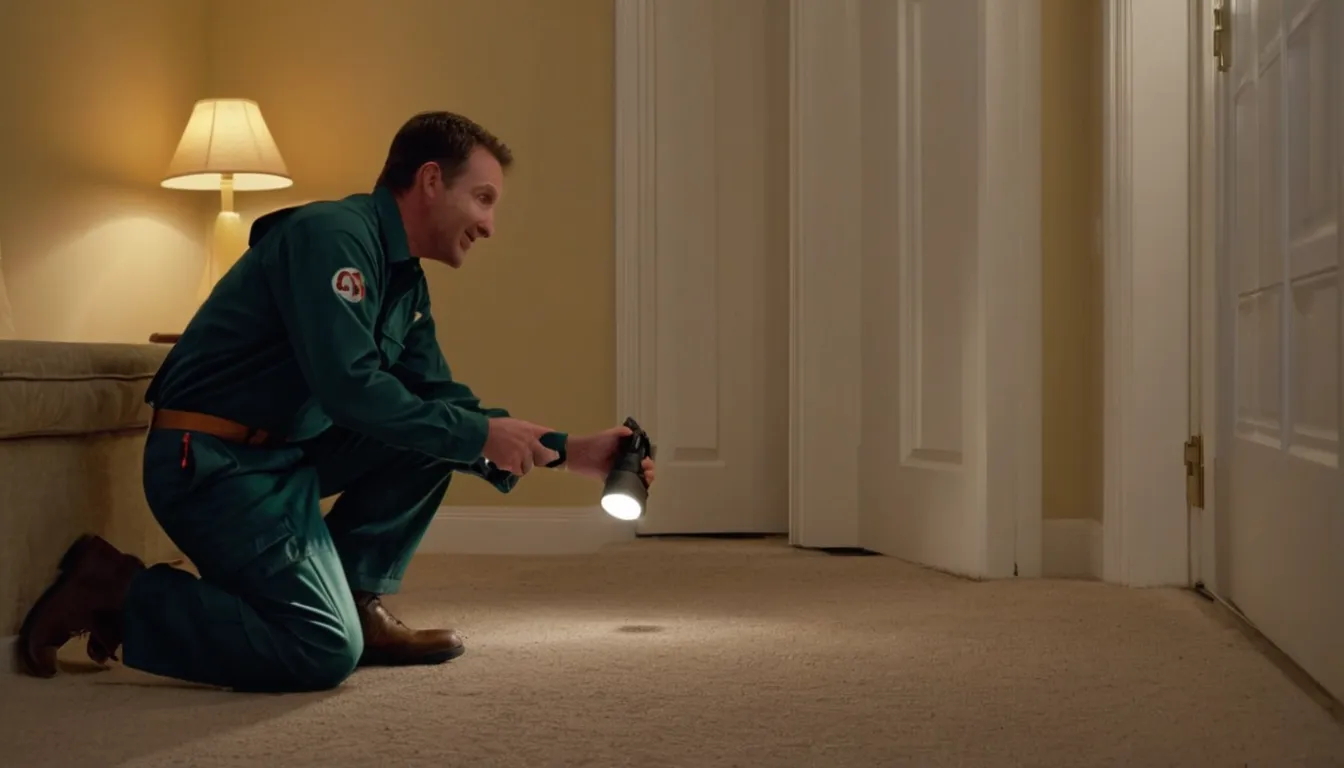
Residential pest control means a provider looks at your whole home, not just the spot where you saw a bug. A typical visit includes:
Scope varies by provider. Ask what is included before you agree.
These are the everyday visitors. Ants follow food trails. Spiders follow other bugs. Crickets come inside when nights turn cool or wet. Treatment often focuses on entry points and the outside edge of your home.
Roaches hide in warm, damp spots like kitchens and basements. Finding the source matters more than killing the one you saw. Rats and larger rodents have their own service page, so start there if you hear them in the walls.
Termites work out of sight, so a trained inspection is key. Bed bug treatment usually needs careful prep and often a second visit. Ask the provider how they handle both.
Fair question, and you should ask it. Ask which products the provider plans to use and where. Ask what the label says about kids, pets, and food areas. Many providers place baits in cracks and corners instead of open floors.
Some jobs ask you to stay out of a room for a while. A good provider explains this up front. If anyone at home has asthma or allergies, say so when you request the estimate.
It depends on the pest. A single ant trail may need just one visit. Spiders and crickets tend to return with the seasons, so a quarterly or seasonal plan can make sense. Termites and bed bugs usually need follow-ups.
Ask the provider why they suggest a plan, what each visit covers, and what happens if pests show up between visits.
The pest, the size of your home, and how far the problem has spread all matter. So do the number of visits and the tricky spots, like crawl spaces, basements, and attached rowhouses. See the table below for typical U.S. ranges. Your job may land higher or lower.
The smart move is to get a quote in writing. It should list the pest, the treatment, the number of visits, and any repeat-visit terms.
Providers in our network are independent businesses, so terms differ. Before you say yes, ask:
Request a callback to check provider availability in your area.
You are part of the team here. Before the visit:
Then show the provider where you saw activity. Your notes and photos save time.
A small sign today can be a big repair later. Tell us what you saw, and we will pass your request to a local provider who can inspect and quote in writing. There is no obligation to hire.
A provider checks rooms, the basement, the attic, and outside walls to find where pests live and enter.
Baits, sprays, or traps are placed where pests travel and nest, based on the pest found.
Providers point out gaps, vents, and cracks that let pests inside, and explain how to close them.
Many pests need a second look. The provider explains visit timing and what to do between visits.
Prices vary by pest, home size, and how many visits you need. These are typical U.S. ranges only. Always ask the provider for a written quote before work begins.
| Service | Typical range | Notes |
|---|---|---|
| Home inspection | $75 – $250 | Sometimes applied toward treatment |
| One-time general treatment | $100 – $350 | Ants, spiders, crickets |
| Roach treatment | $150 – $500 | Often includes a follow-up visit |
| Quarterly or seasonal plan | $75 – $200 per visit | Ongoing upkeep for returning pests |
| Termite treatment | $500 – $2,500+ | Depends on home size and method |
| Bed bug treatment | $300 – $1,500+ | Varies by rooms and method |
Tell us the sign, the room, and when it started. Photos help.
We pass your request to an independent provider in our network.
The provider inspects, explains the treatment, and gives a written quote.
The provider does the work, and you follow the prep and follow-up steps.
You send one request, then a local provider reaches out to inspect and explain the plan.
Providers in our network know the pests and seasonal swings in your part of the state.
Ask for the scope and price in writing so you can compare before you decide.
Requesting an estimate does not commit you to hire anyone.
Tell us what you are seeing at home. Request an estimate and a local provider in our network can follow up with questions and a written quote.
No obligationIf you see droppings, chewed items, mud tubes, shed wings, or pests in more than one room, it is time to ask. Early inspections often catch problems while they are still small.
A one-time visit often runs about $100 to $350 in the U.S. Plans, termites, and bed bugs cost more. Prices vary by job, so get a written quote from the provider.
Providers follow product labels and often place baits in cracks and corners. Ask which products they plan to use, where they go, and whether anyone needs to leave a room.
Tell us what you are seeing at home. Request an estimate and a local provider in our network can follow up with questions and a written quote.
No obligation